

“Will a man rob God? Yet ye have robbed me. But ye say, Wherein have we robbed thee? In tithes and offerings.
– Malachi 3:8-10
This passage has been used as a tool to inspire faithful people to pay 10% of their income as tithing for centuries. But what if I told you these three verses are taken entirely out of context? What if I told you they weren’t written for the general body of the church, but instead were directed at the clergy of the church? To understand the full implication of these verses, it is imperative that we read the entire book of Malachi, starting with chapter 1. For the sake of space and focus, I won’t be quoting every verse of the first two chapters, but please follow along with your own Bible and take note along and I promise we’ll get a comprehensive understanding.
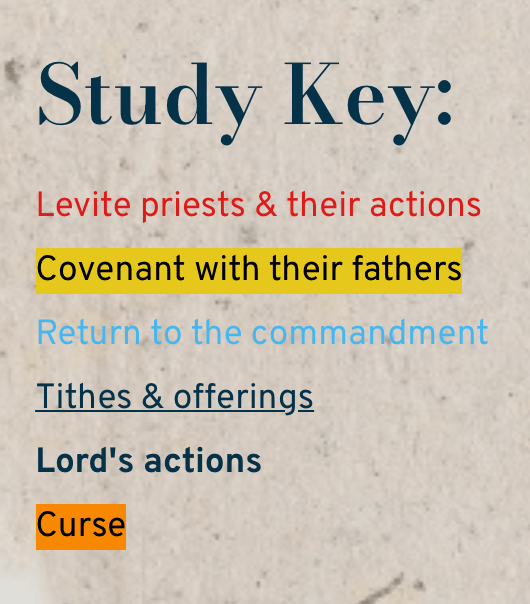
1 The burden of the word of the Lord to Israel by Malachi.
6 A son honoureth his father, and a servant his master: if then I be a father, where is mine honour? and if I be a master, where is my fear? saith the Lord of hosts unto you, O priests, that despise my name. And ye say, Wherein have we despised thy name?
7 Ye offer polluted bread upon mine altar; and ye say, Wherein have we polluted thee? In that ye say, The table of the Lord is contemptible.
10 … I have no pleasure in you, saith the LORD of hosts, neither will I accept an offering at your hand.
Right off the bat, this is a heavy book—the burden of the word of the Lord towards the priests. The Levites were specifically charged with priestly duties and temple worship, but it’s evident God is not happy with them. They have despised the name of God and polluted his alters and the Lord does not accept their offerings.
12 But ye have profaned it, in that ye say, the table of the Lord is polluted; and the fruit thereof, even his meat, is contemptible.
13 Ye said also, Behold, what a weariness is it! And ye have snuffed at it, saith the LORD of hosts; and ye brought that which was torn, and the lame, and the sick; thus ye brought an offering: should I accept this of your hand? saith the LORD.
14 But cursed be the deceiver, which hath in his flock a male, and voweth, and sacrificeth unto the Lord a corrupt thing: for I am a great King, saith the LORD of hosts, and my name is dreadful among the heathen.
The priests had been offering lame, sick animals as their sacrifices being deceitful as they kept the best for themselves. Chapter 2 starts by singling out the priests again, rebuking their behavior and commanding them to repent.
1 And now, O ye priests, this commandment is for you.
2 If ye will not hear, and if ye will not lay it to heart, to give glory unto my name, saith the Lord of hosts, I will even send a curse upon you, and I will curse your blessings: yea, I have cursed them already, because ye do not lay it to heart.
3 Behold, I will corrupt your seed, and spread dung upon your faces, even the dung of your solemn feasts; and one shall take you away with it.
4 And ye shall know that I have sent this commandment unto you, that my covenant might be with Levi, saith the Lord of hosts.
5 My covenant was with him of life and peace; and I gave them to him for the fear wherewith he feared me, and was afraid before my name.
6 The law of truth was in his mouth, and iniquity was not found in his lips: he walked with me in peace and equity, and did turn many away from iniquity.
7 For the priest’s lips should keep knowledge, and they should seek the law at his mouth: for he is the messenger of the Lord of hosts.
8 But ye are departed out of the way; ye have caused many to stumble at the law; ye have corrupted the covenant of Levi, saith the Lord of hosts.
God is telling the priests he has cursed them because they have corrupted the covenant of Levi. And he’s now extending a commandment specifically so that they can have a chance to return to the covenant again. The covenant with the Levites was life and peace as they feared God, spoke truth not iniquity, and walked in peace and equity. Notice verses 5 through 7 are written in past tense and imperative, God’s covenant was with Levi, truth was in his mouth, and the priest’s lips should keep knowledge, but these principles were not being upheld by the Levites. Verse 8 says they had departed out of the way, forsaken their end of the covenant. Their actions were not equitable, and this corruption had caused many others to stumble. But what exactly were they doing that corrupted the covenant? To understand this we need to go back to the beginning of the Mosaic Law and the inheritance of the tribes of Israel. The inheritance of the Levites had been established in the Book of the Law we now know as Deuteronomy, clearly stating that the Levites had no inheritance in Israel, but later that law changed to give the Levites an inheritance taking from the tithes of Israel.
| Moses’ Law | Levite’s Corruption of the Law |
| At the end of three years thou shalt bring forth all the tithe of thine increase the same year, and shalt lay it up within thy gates. And the Levite, (because he hath no part nor inheritance with thee,) and the stranger, and the fatherless, and the widow, which are within thy gates, shall come, and shall eat and be satisfied. (Deuteronomy 14:28-29) | And, behold, I have given the children of Levi all the tenth in Israel for an inheritance, for their service which they serve, even the service of the tabernacle of the congregation. Thus speak unto the Levites, and say unto them, When ye take of the children of Israel the tithes which I have given you from them for your inheritance, then ye shall offer up an heave offering of it for the Lord, even a tenth part of the tithe. (Numbers 18:21, 26) |
| The priests the Levites, and all the tribe of Levi, shall have no part nor inheritance with Israel: they shall eat the offerings of the Lord made by fire, and his inheritance. Therefore shall they have no inheritance among their brethren: the Lord is their inheritance. (Deuteronomy 18:1-2) | The Levites shall bring up the tithe of the tithes unto the house of our God. (Nehemiah 10:38) |
Here we see that the Levites had set up a system in which they collected all the tithes of Israel and took it as their inheritance, then they would offer a tithe of the tithe to the Lord, meaning only 10% of Israel’s tithing was actually going to the storehouse. This would definitely make God angry! Now, you might think the verses in Numbers and Nehemiah are being twisted because it sounds like God told the Levites to act in this way, and yes, they do sound that way. But remember, the Levites had corrupted the covenants and changed God’s commandment, they were written for the benefit of the deceivers. Their corruption was so widespread that they effectively caused MANY to stumble.
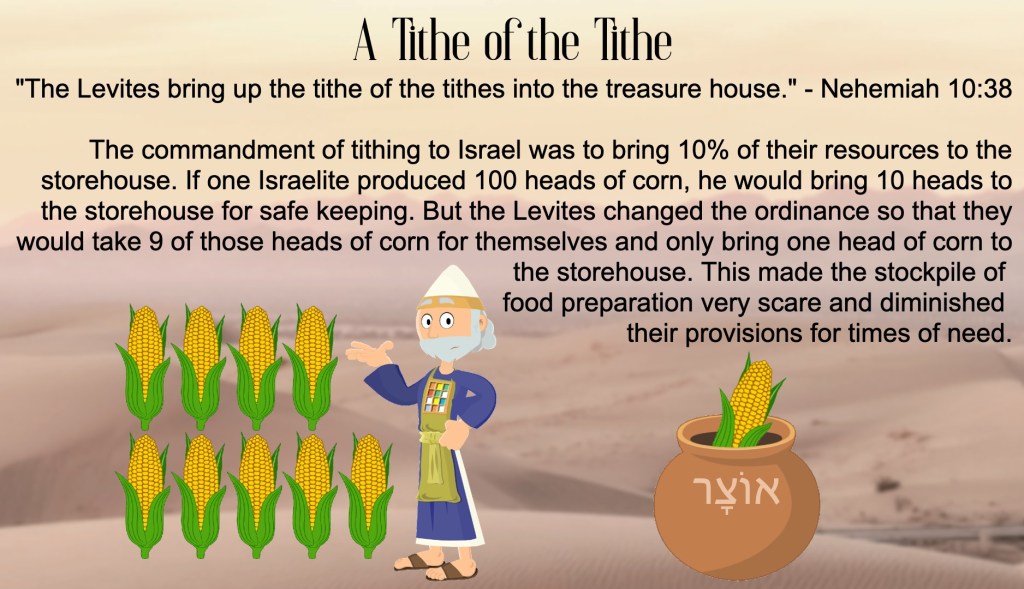
One reason the Levitical law had such a strong influence in the Bible is because the Mosaic Book of the Law we know as Deuteronomy was hidden in the temple for 600 years and not recovered until the reign of the righteous King Josiah (2 Kings 22-23). King Josiah read the Book of the Law and rent his clothes in mourning that his fathers had not obeyed God’s law and knew it would lead to their destruction. As the Book of the Law had been hidden, the Priests had taught their own corrupted philosophies, coinciding with the rebuke of Malachi. Here we can see the discrepancy between Moses teaching the Levites had no inheritance, and later the Levites teaching their inheritance was the tithes of Israel.
The above passages in Numbers and Nehemiah in fact sound as if God is commanding it, however these were written by the deceivers for their own benefit. So during the 600 years Moses’ law was hidden in the temple, the corrupted Levitical law became customary law.
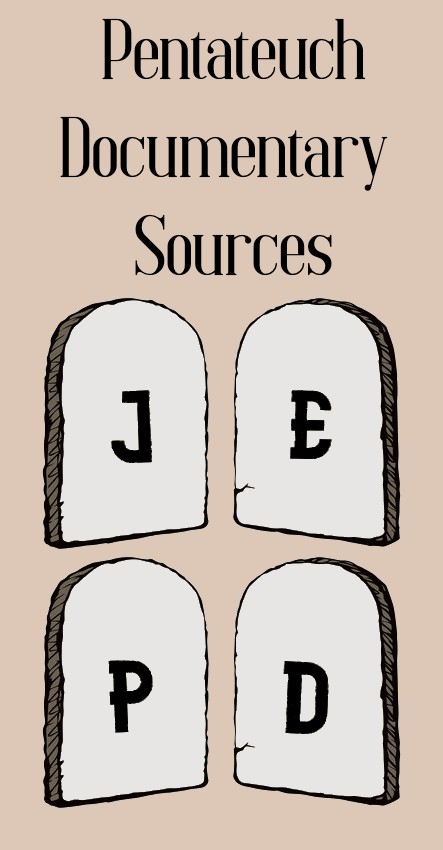
One theory on how the Levitical law became so prominent in the Old Testament comes from the Documentary Theory of the Pentateuch, which proposes that the first five books of the Old Testament were written by four different sources, then later amalgamated into one cohesive story. The first three sources of the Pentateuch are the Yahwist, Elohist, and the Deuteronomist. Essentially three authors contemporaneously recording the same events, then their notes were combined. The last source is called the Priestly. Source, written by the Levites. It’s the latest account, estimated to have been written 100 to 400 years after the first three. Biblical scholars have noticed some inconsistencies and contradictions in the Pentateuch and attribute them to the various authors of the records.The main focus of the priestly source was written to emphasize the importance of priests, the priesthood, Levitical law, and temple worship. Many scholars describe the priestly source as a revisionist account meant to add details of importance about the Levitical priestly duties and laws. And as we know from Malachi, and other prophets we’ll explore, the Levites’ traditions were a corrupt perversion of God’s covenants. Some scholars even call them the Occult, which seems accurate according to the things they were practicing.
The majority of the book of Numbers was written by the Priestly source, including the verses from chapter 18 quoted above saying God gave the Levites Israel’s tithes for their inheritance. We should recognize that the inconsistencies and contradictions in Deuteronomy and Numbers concerning the Levites’ inheritance are in fact evidence of the Levites corrupting the covenant, and recording their tradition in the Priestly source to reflect their corruption. If the Documentary Theory of the four sources comprising the Pentateuch and their differences is brand new information to you, here is an overview to learn more, and a quick video. You can also read the books of Genesis, Exodus, Leviticus, Numbers and Deuteronomy all color coded by what was written by which source.
Now let’s continue on with Malachi.
9 Therefore have I also made you contemptible and base before all the people, according as ye have not kept my ways, but have been partial in the law.
10 Have we not all one father? hath not one God created us? Why do we deal treacherously every man against his brother, by profaning the covenant of our fathers?
11 Judah hath dealt treacherously, and an abomination is committed in Israel and in Jerusalem; for Judah hath profaned the holiness of the LORD which he loved, and hath married the daughter of a strange god.
17 Ye have wearied the Lord with your words. Yet ye say, Wherein have we wearied him? When ye say, every one that doeth evil is good in the sight of the LORD, and he delighteth in them; or, Where is the God of judgment?
The priests’ actions were abominable yet they were telling the people that everyone doing this evil were good men in the sight of the Lord. It seems many recognized this hypocrisy and felt contempt and disrespect towards the Levite priests. The priests even provoke God by insinuating they must not be that wicked because God had not sent his judgments on them, asking “where is the God of judgement?” These chapters have already shown us a pattern of questions & answers (1:6-7, 2:10-11). If we remember this was not written with chapter breaks, we see that the question asked in 2:17 is answered in the next verses, the first few verses of chapter 3.
1 Behold, I will send my messenger, and he shall prepare the way before me: and the Lord, whom ye seek, shall suddenly come to his temple, even the messenger of the covenant, whom ye delight in: behold, he shall come, saith the Lord of hosts.
2 But who may abide the day of his coming? And who shall stand when he appeareth? For he is like a refiner’s fire, and like fullers’ soap:
3 And he shall sit as a refiner and purifier of silver: and he shall purify the sons of Levi, and purge them as gold and silver, that they may offer unto the Lord an offering in righteousness.
4 Then shall the offering of Judah and Jerusalem be pleasant unto the Lord, as in the days of old, and as in former years.
5 And I will come near to you to judgment; and I will be a swift witness against the sorcerers, and against the adulterers, and against false swearers, and against those that oppress the hireling in his wages, the widow, and the fatherless, and that turn aside the stranger from his right, and fear not me, saith the Lord of hosts.
The Lord says he will send his messenger before he comes, this was John the Baptist as Jesus taught on multiple occasions (Matthew 11:10-14, Matthew 17:10-13, Luke 1:13-17, Mark 9:12-13). After his messenger prepared the way, the Lord Jesus Christ would come and go to the temple to refine and purify the sons of Levi. As we know, this is exactly what Jesus did during his ministry. It’s no wonder Jesus spent so much time in and near the temple, rebuking the hypocrisy and faithlessness of the priests. He routinely rebuked the chief priests, scribes, elders, Sadducees and Pharisees, most if not all of which held Levitical priestly positions, and others who were powerful religious law enforcers. For anyone who would listen, the Lord refined and purified them, restoring Israel’s faithful offerings as in former years, before the Levites corrupted them. And to those wicked ones who would not listen, their evil works were judged.
6 For I am the Lord, I change not; therefore ye sons of Jacob are not consumed.
7 Even from the days of your fathers ye are gone away from mine ordinances, and have not kept them. Return unto me, and I will return unto you, saith the LORD of hosts. But ye said, Wherein shall we return?
Here the Lord says the Levites have been defying His ordinances for generations, since the days of their fathers, but he’s extending them the invitation to repent and return to Him. Then they ask what they need to do to return to him.
8 Will a man rob God? Yet ye have robbed me. But ye say, Wherein have we robbed thee? In tithes and offerings.
9 Ye are cursed with a curse: for ye have robbed me, even this whole nation.
Remember what we read in Numbers 18? For generations, the Levites had been collecting all of Israel’s tithing and keeping 90% of it for themselves, only giving a tenth of the tithe to the Lord. With all this context, it’s so clear that these verses are not talking about the whole nation of Israel robbing God, but specifically the Levites. The rest of the Israelites were doing their part offering their tithes, in fact in their theocracy tithing was akin to an obligatory tax. They were offering their tithes and bringing them to the authority in charge of handling them, it was the Levitical priests who were misusing those tithes and robbing God and the nation. Not only was this a sin on their part, but the tithes in the storehouse were meant to be used in times of famine and need, meaning when times were tough, there wasn’t enough supplies to go around and the people suffered. What the Levites had told the people was their right to take as their inheritance was a corruption of God’s covenant, a burden on the nation, and this is why God has cursed them. These verses prophesy of Christ coming to cleanse the temple and the priests of this wickedness, and we see examples of this throughout the New Testament. We also know the Lord is merciful, and as he stated in verses 3 and 7, he is giving them a chance to return and enter into the covenant again. This is his commandment to offer them redemption.
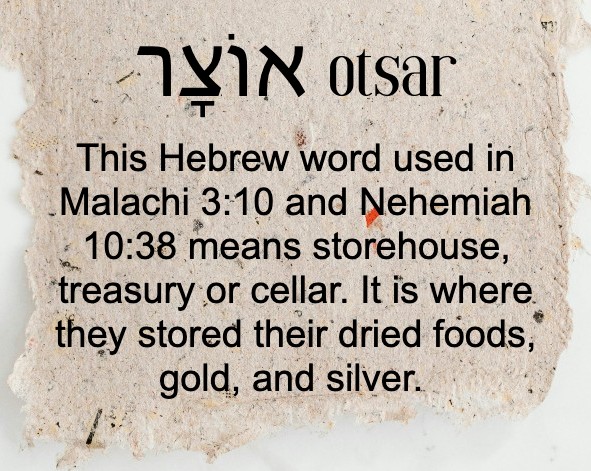
10 Bring ye all the tithes into the storehouse, that there may be meat in mine house, and prove me now herewith, saith the Lord of hosts, if I will not open you the windows of heaven, and pour you out a blessing, that there shall not be room enough to receive it.
11 And I will rebuke the devourer for your sakes, and he shall not destroy the fruits of your ground; neither shall your vine cast her fruit before the time in the field, saith the Lord of hosts.
12 And all nations shall call you blessed: for ye shall be a delightsome land, saith the Lord of hosts.
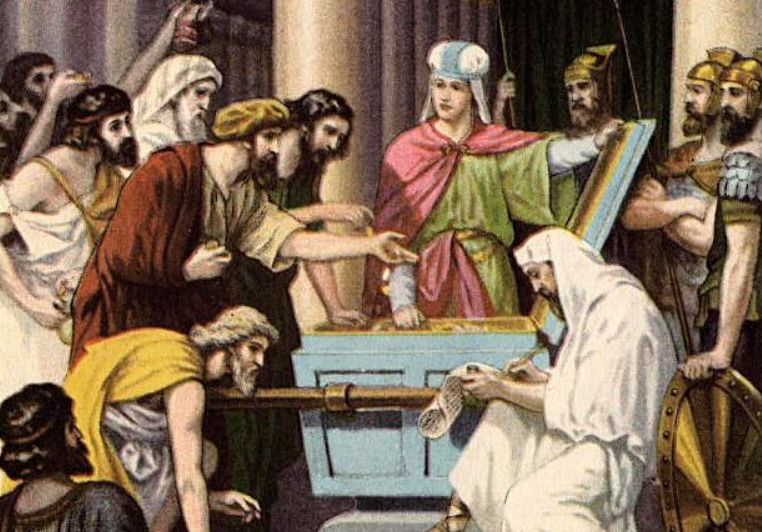
The Lord commands them to bring ALL the tithes to the storehouse, not just a tithe of the tithe. The Levites had been relying on the tithes for their financial support and resources, now God was asking them to give it all back and trust that He would bless them. The Lord promised them that if they gave back all the tithing and put it all in the storehouse where it belongs he would bless them so much they wouldn’t be able to receive it. They would also be called blessed by the whole nation, Israel would rejoice to see all of their tithes being stored in the treasury for times of need.
13 Your words have been stout against me, saith the LORD. Yet ye say, What have we spoken so much against thee?
14 Ye have said, It is vain to serve God: and what profit is it that we have kept his ordinance, and that we have walked mournfully before the Lord of hosts?
15 And now we call the proud happy; yea, they that work wickedness are set up; yea, they that tempt God are even delivered.
Instead of taking the Lord’s invitation to repent and return the tithes, the Levites complain against the Lord and say he has been too harsh. Again they ask a question, what did we say against you? The Hebrew translation of the word vain in verse 14 means “useless.” They thought it was useless to serve God, they had been personally profiting from the ordinance of tithing as they practiced it and were not ready to give it up. And finally, the original Hebrew translation of verse 15 puts the nail in the coffin, “so now, we call blessed the presumptuous, for those that do wickedness are raised up. Yes, they even tempt God and go free.” The Levitical priests have been called out, they are doing wickedness while being raised up as religious leaders and temple officiants, and walk free thinking they are not judged by God. When they heard this, most rejected the Lord’s commandment to return to the covenant, but not all.
16 Then they that feared the Lord spake often one to another: and the Lord hearkened, and heard it, and a book of remembrance was written before him for them that feared the Lord, and that thought upon his name.
17 And they shall be mine, saith the Lord of hosts, in that day when I make up my jewels; and I will spare them, as a man spareth his own son that serveth him.
18 Then shall ye return, and discern between the righteous and the wicked, between him that serveth God and him that serveth him not.
We see that some of the priests feared the Lord and repented, the Lord wrote their names in the book of remembrance. But in verse 18 he says they must return and discern who among them is righteous or wicked. It requires discernment to know which priests or church clergy truly serve God. In the next verses, moving on to chapter 4, we see what happens to those priests who do not truly serve God, but serve themselves.
1 For, behold, the day cometh, that shall burn as an oven; and all the proud, yea, and all that do wickedly, shall be stubble: and the day that cometh shall burn them up, saith the Lord of hosts, that it shall leave them neither root nor branch.
2 But unto you that fear my name shall the Sun of righteousness arise with healing in his wings; and ye shall go forth, and grow up as calves of the stall.
3 And ye shall tread down the wicked; for they shall be ashes under the soles of your feet in the day that I shall do this, saith the Lord of hosts.
4 Remember ye the law of Moses my servant, which I commanded unto him in Horeb for all Israel, with the statutes and judgments.
The Lord makes it clear that the priests who do not repent will be burned with the wicked. This image makes it even more evident how important it is that we utilize discernment with religious leaders, to know if they truly serve God or if they will also be burned with the wicked and proud.
5 Behold, I will send you Elijah the prophet before the coming of the great and dreadful day of the Lord:
6 And he shall turn the heart of the fathers to the children, and the heart of the children to their fathers, lest I come and smite the earth with a curse.
To end, Malachi repeats the same prophecy from the beginning of chapter 3, verses 1-3. Before the Lord comes to purify the sons of Levi in the temple, Elijah will come to prepare the way, and if this were to not happen he would smite the earth with the curse. (If you are LDS and have a different interpretation on this prophecy, please read to the end). This curse has already been mentioned in each preceding chapter (1:14, 2:2, 3:9), the curse on their blessings and posterity for being deceivers and robbing from God and the nation of Israel. We can conclude, that within the context of the entire book of Malachi, the three verses in chapter 3, commanding people to stop robbing God and give the tithing to the storehouse, are not directed at the whole nation or the general membership of the church. These are the commandments to the Levitical priests who had been profiting from and living off of the tithes for generations. God is extending his arm, offering repentance and a restoration of the covenant with their fathers.
While preparing this article, re-reading and re-marking these chapters, I couldn’t help but notice a pattern in the language in chapters 3-4. I believe together these chapters present a chiasmus, the central point being the commandment to the Levitical priests. Chapter 2 verse 1 says this commandment is for the priests, but the passage does not give a commandment until chapter 3 verse 10, which is: for the sons of Levi to repent and stop stealing the nation’s tithes.

Malachi’s Prophecy Fulfilled
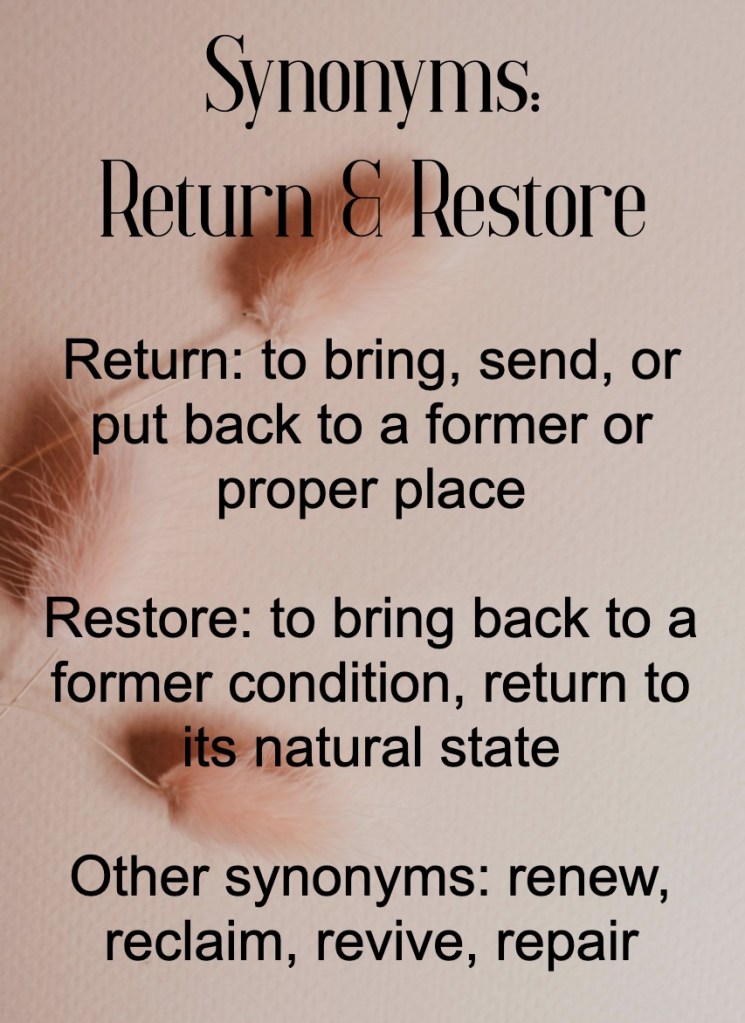
The entire Book of Malachi is a commandment for the sons of Levi to return to the covenants of their fathers, or in other words, turn their hearts to them and be restored in their promise. As chapters 3 and 4 prophesy, the work of Elijah as the messenger was to prepare the people to receive Jesus and restore the true covenant of their forefathers. This prophecy is confirmed to have been fulfilled by John the Baptist multiple times in the New Testament by the voices of the angel Gabriel and Jesus Christ.
Fear not Zacharias: for thy prayer is heard; and thy wife Elisabeth shall bear thee a son, and thou shalt call his name John… And many of the children of Israel shall he turn to the Lord their God. And he shall go before him in the spirit and power of Elias, to turn the hearts of the fathers to the children, and the disobedient to the wisdom of the just; to make ready a people prepared for the Lord. (Luke 1:13-17)
For this is he, of whom it is written, behold, I send my messenger before thy face, which shall prepare thy way before thee. And from the days of John the Baptist until now the kingdom of heaven suffereth violence, and the violent take it by force. For all the prophets and the law prophesied until John. And if ye will receive it, this is Elias, which was for to come. He that hath ears to hear, let him hear. (Matthew 11:10-15)
And his disciples asked him, saying, why then say the scribes that Elias must first come? And Jesus answered and said unto them, Elias truly shall first come, and restore all things. But I say unto you, that Elias is come already, and they knew him not, but have done unto him whatsoever they listed. Likewise shall also the Son of man suffer of them. Then the disciples understood that he spake unto them of John the Baptist. (Matthew 17:10-13)

Some religions interpret the prophecy of Elijah in Malachi 4:5-6 as an end-times prophecy, but Jesus made it clear that John the Baptist was Elijah. Though we can sometimes find patterns in prophecy mirroring Jesus’ first coming to his second coming, it is imperative that we read these verses in the context of the rest of the book to fully understand what they mean. When we comprehend the context of the first three chapters of Malachi, we understand that it refers to John the Baptist turning the hearts of the people back to the original covenants God made with the fathers of the 12 Tribes of Israel and letting go of the false traditions and corrupted laws of their current society. I hope we can agree is well established in scripture that John the Baptist fulfilled Malachi’s prophecy about Elijah. He prepared the way before Jesus and the consequence for the priests not receiving him was the curse mentioned in Malachi 2:1-3. However, I don’t completely discredit Malachi as a possible prophecy of the Second Coming, as history repeats itself, and many signs of Christ’s first coming are being repeated as signs of his Second Coming. It very well may be fulfilled again when Christ returns and purges the earth, for a second time, of the corrupt religious and political leaders robbing the poor and teaching corrupted doctrine. When Jesus walked the earth he condemned and dismantled the false doctrines and traditions of the current religious authorities, scripture suggests he will do the same thing when he comes again. Our hearts truly must be prepared to receive this correction and be restored to alignment with Christ.
The Widow’s Mite
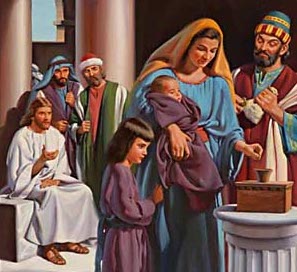
Just as Malachi prophesied, Jesus frequently rebuked the Levite priests in the temple and called them to repentance. In Luke 20:46-21:6 (Remember, the Bible was not written with chapter breaks), Jesus tells a big audience of people to beware of the scribes who sit in the highest seats in the synagogues wearing their long robes, he shames them for devouring the widow’s houses and getting rich off of the widow’s mite.
46 Beware of the scribes, which desire to walk in long robes, and love greetings in the markets, and the highest seats in the synagogues, and the chief rooms at feasts;
47 Which devour widows’ houses, and for a shew make long prayers: the same shall receive greater damnation.
1 And he looked up, and saw the rich men casting their gifts into the treasury.
2 And he saw also a certain poor widow casting in thither two mites.
3 And he said, Of a truth I say unto you, that this poor widow hath cast in more than they all:
4 For all these have of their abundance cast in unto the offerings of God but she of her penury hath cast in all the living that she had.
5 And as some spake of the temple, how it was adorned with goodly stones and gifts, he said,
6 As for these things which ye behold, the days will come, in the which there shall not be left one stone upon another, that shall not be thrown down.
Jesus prophesied that their temple, adorned with the best stones, would be destroyed and thrown down. The fine sanctuary they had built was worthless to God, what was truly valuable was the widow’s heart. The widow loved God and was faithful and obedient to the law as it was taught to her. The problem is, the law as she was taught it was corrupted by these men who lifted themselves up above all the people. Jesus came to purge the corrupt spiritual authorities, curse them for robbing the nation (If they did not repent and return the tithes), and set his true followers free from the reign of their religious hierarchy. If the Levitical priests were true followers of Jesus Christ they would be taking care of the poor, needy, widows and fatherless — not requiring them to surrender their last coins to the church’s deep pockets. Jesus continues to show his true feelings regarding the orthodox tithing collection procedures at the temple in Matthew 21.
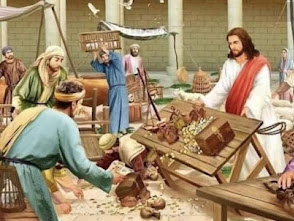
12 And Jesus went into the temple of God, and cast out all them that sold and bought in the temple, and overthrew the tables of the moneychangers, and the seats of them that sold doves,
13 And said unto them, It is written, My house shall be called the house of prayer; but ye have made it a den of thieves.
Where Jesus directed his rage in the temple courts is so significant. To those who sold and bought, he simply drove out — but he overthrew the tables of the moneychangers. The job of the moneychangers was to exchange different forms of currency for valid coins to pay temple tax or tithing. Jesus also threw the chairs of those who sold doves, which were purchased usually by the poor to offer as a sacrifice for guilt. It is so profound that Jesus made such a public display of condemning the orthodox system of compulsory tithing as it robbed the poor and further weighed them down with guilt and shame instilled by their religious authorities.
What Does this Mean About Tithing for Us?
So what does this mean for us? First of all, it would be wise to be wary of religious leaders who use these out-of-context verses to manipulate strict obedience to the principle of tithing. We can heed the warning in chapter 3 verse 18, pray to discern between the righteous and wicked, to be able to know who truly serves God and who doesn’t. Secondly, study the scriptures to gain a better understanding of what the principle of tithing really is. Some passages teach that the tithe is more of a savings or food supply, to be used by yourself or given to others in times of need. There are even times the people are told to stop tithing because they have excess. And in the New Testament it’s said that giving should always be done according to your heart, never of necessity. Here are some examples I’ve found as I prayerfully navigate this myself, and I encourage you to do the same, as we use discernment in our endeavor to honor God with our money and resources.
Thou shalt truly tithe all the increase of thy seed, that the field bringeth forth year by year. And thou shalt eat before the Lord thy God, in the place which he shall choose to place his name there, the tithe of thy corn, of thy wine, and of thine oil, and the firstlings of thy herds and of thy flocks; that thou mayest learn to fear the Lord thy God always. And if the way be too long for thee, so that thou art not able to carry it; or if the place be too far from thee, which the Lord thy God shall choose to set his name there, when the Lord thy God hath blessed thee: Then shalt thou turn it into money, and bind up the money in thine hand, and shalt go unto the place which the Lord thy God shall choose. And thou shalt bestow that money for whatsoever your soul desireth: and thou shalt eat there before the Lord thy God. At the end of three years thou shalt bring forth all the tithe of thine increase the same year, and shalt lay it up within thy gates: And the Levite, (because he hath no part nor inheritance with thee,) and the stranger, and the fatherless, and the widow, which are within thy gates, shall come, and shall eat and be satisfied; that the Lord thy God may bless thee in all the work of thine hand which thou doest. (Deuteronomy 14:22-29)
And they received of Moses all the offering, which the children of Israel had brought for the work of the service of the sanctuary, to make it withal. And they brought yet unto him free offerings every morning. And all the wise men, that wrought all the work of the sanctuary, came every man from his work which they made; and they spake unto Moses, saying: The people bring much more than enough for the service of the work, which the Lord commanded to make. And Moses gave commandment, and they caused it to be proclaimed throughout the camp, saying, let neither man nor woman make any more work for the offering of the sanctuary. So the people were restrained from bringing. (Exodus 36:3-6)
And all the tithe of the land, whether of the seed of the land, or of the fruit of the tree, is the Lord’s: it is holy unto the Lord. And if a man will at all redeem ought of his tithes, he shall add thereto the fifth part thereof. (Leviticus 27:30-31)
But this I say, he which soweth sparingly shall reap also sparingly; and he which soweth bountifully shall reap also bountifully. Every man according as he purposeth in his heart, so let him give; not grudgingly, or of necessity: for God loveth a cheerful giver. And God is able to make all grace abound toward you; that ye, always having all sufficiency in all things, may abound to every good work: As it is written, he hath dispersed abroad; he hath given to the poor: his righteousness remaineth for ever. (2 Corinthians 9:6-9)
 Ex-Mormon Bible Study


Leave a comment